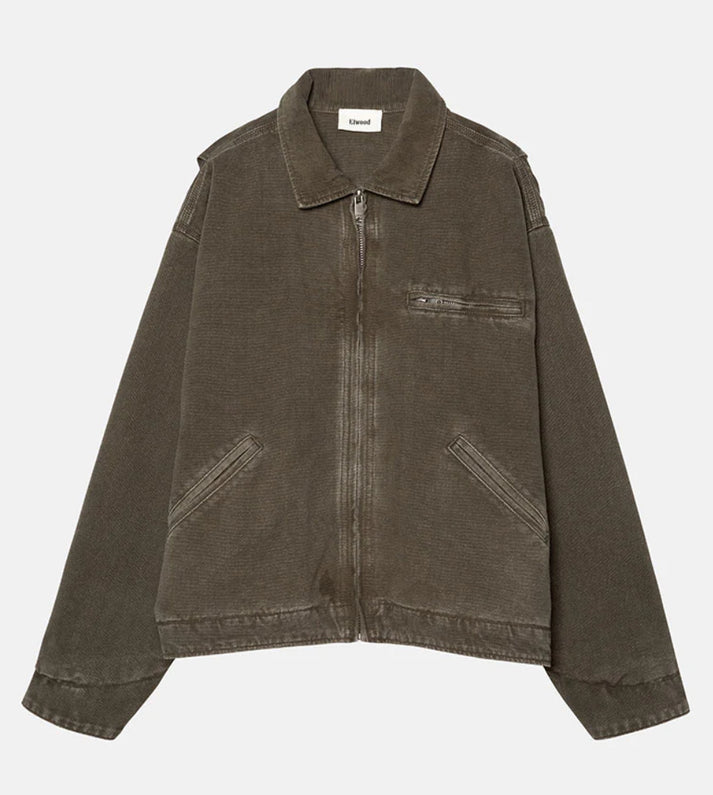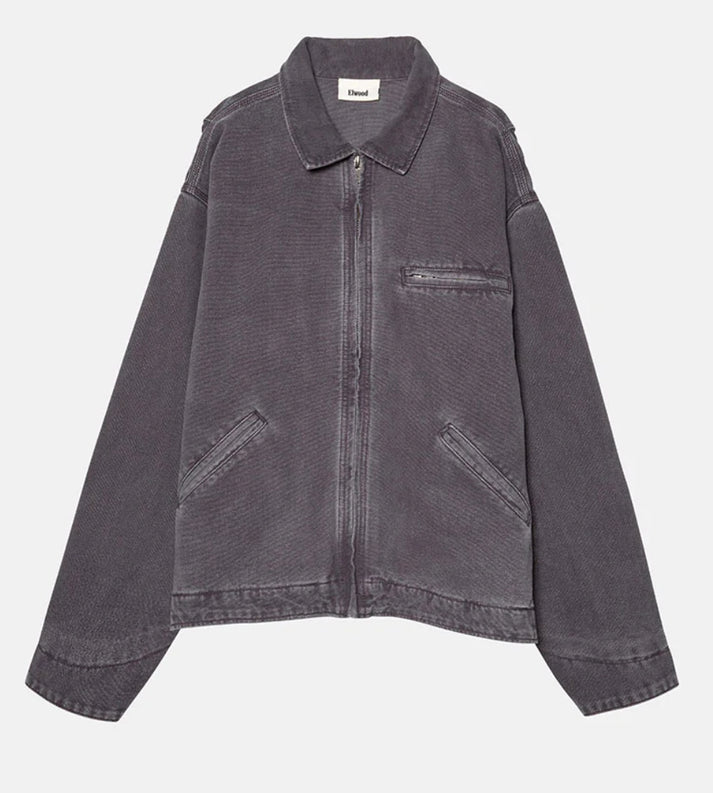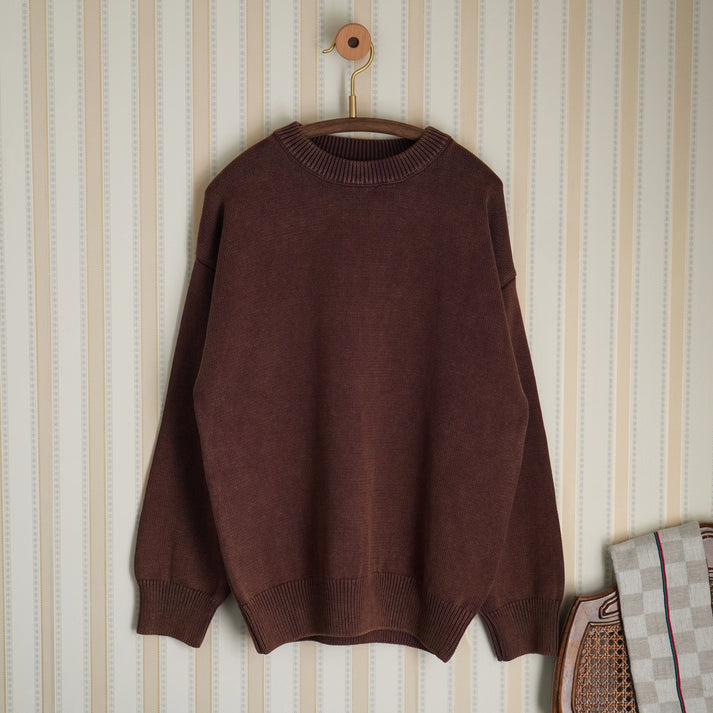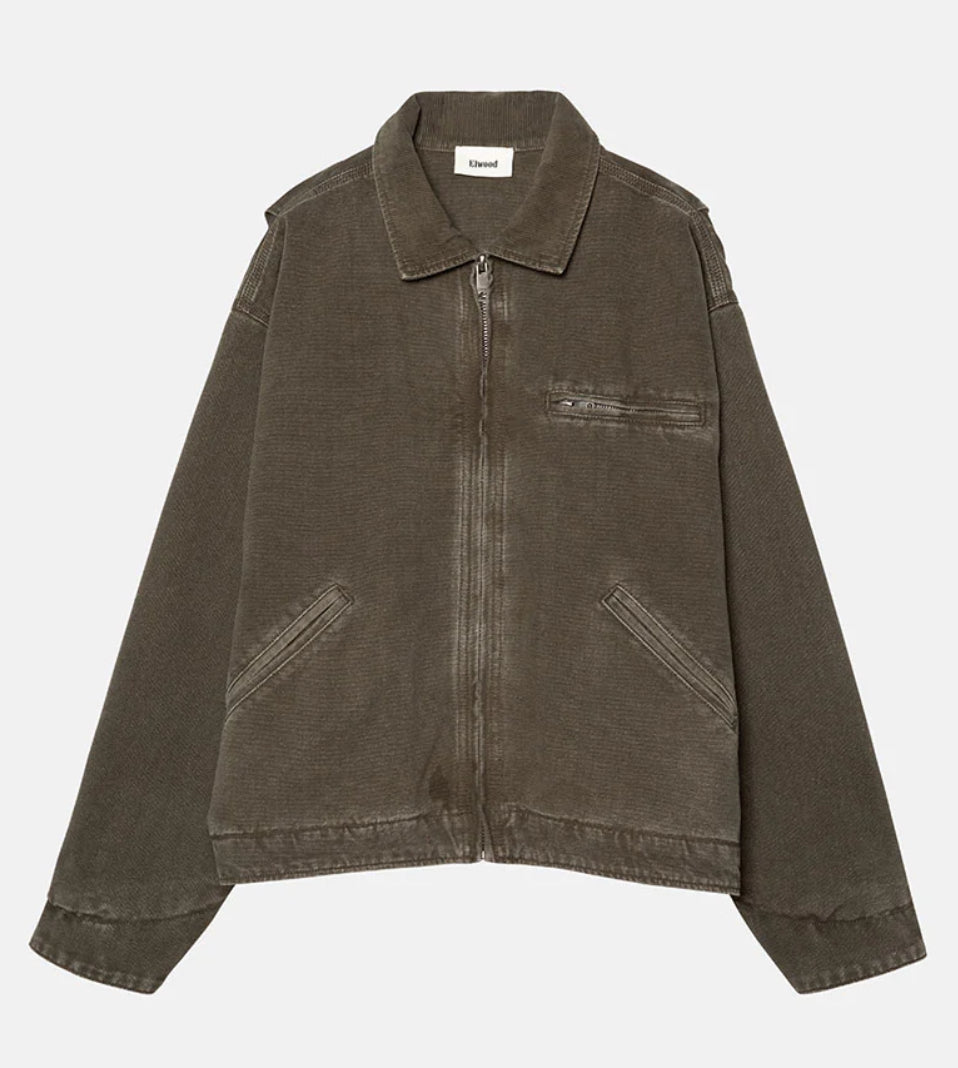
The internet contains more menswear than any store could hold, yet finding one precise product often feels harder than it should. Inspiration, product data, inventory, and checkout live in separate systems.
The result is a shopper moving between social images, search results, resale listings, brand sites, and saved tabs without a reliable way to connect them.
THE SHORT VERSION
What to know
- Menswear discovery is fragmented across thousands of stores.
- Product language is inconsistent.
- Visual references can bridge inspiration and inventory.
The vocabulary gap
A shopper may recognize a silhouette without knowing whether it is called a blouson, Harrington, Eisenhower jacket, or cropped work jacket. Search engines reward specific language, while people frequently begin with a visual impression.
Catalogs also describe similar products differently, preventing ordinary filters from connecting relevant alternatives.
The inventory gap
The exact product may be sold out at the original brand but available through another retailer or supplier. Ordinary search results do not always preserve size and availability in a comparable format.
A structured catalog can retain the product entity while updating the commercial offer around it.
A search model built around intent
Combining text, images, categories, and product attributes creates multiple routes to the same item. The shopper can begin with what they know and refine the result as new information appears.
The objective is not to remove judgment. It is to spend less time locating candidates and more time evaluating the few that truly fit the brief.
Editorial information is general guidance. Confirm the selected product, size, supplier, shipping, and final-sale terms before purchase.