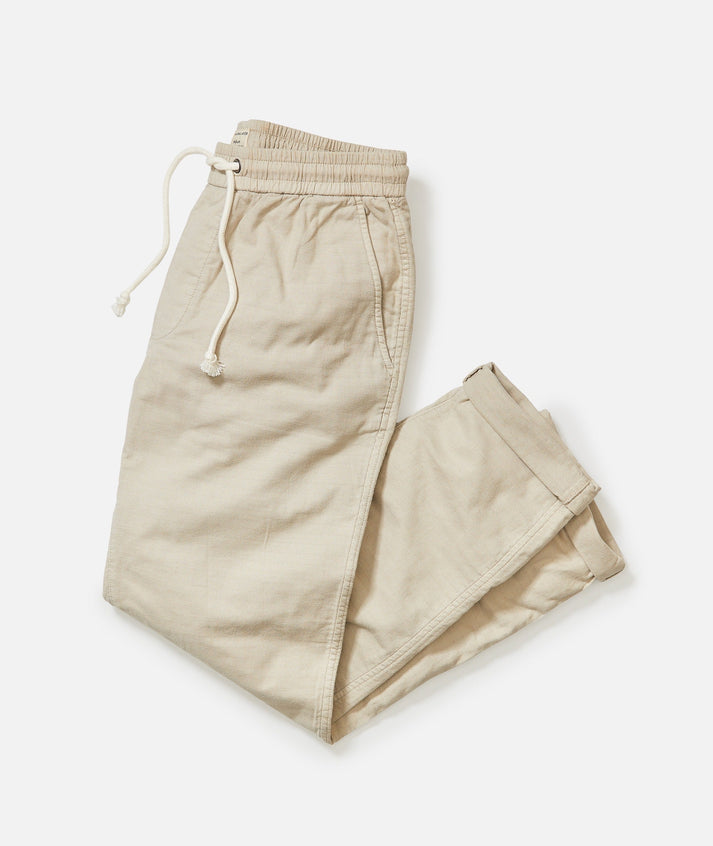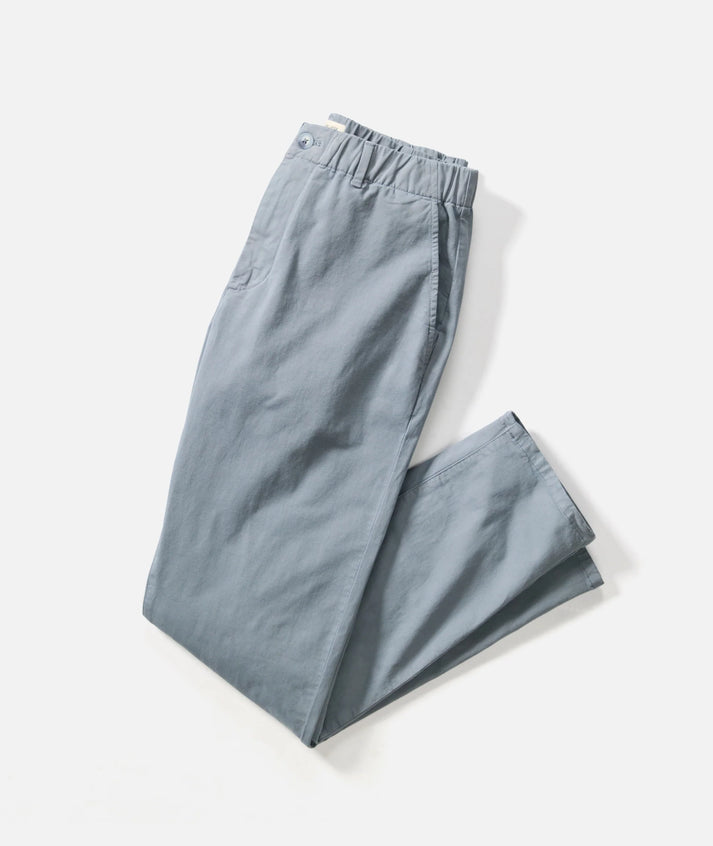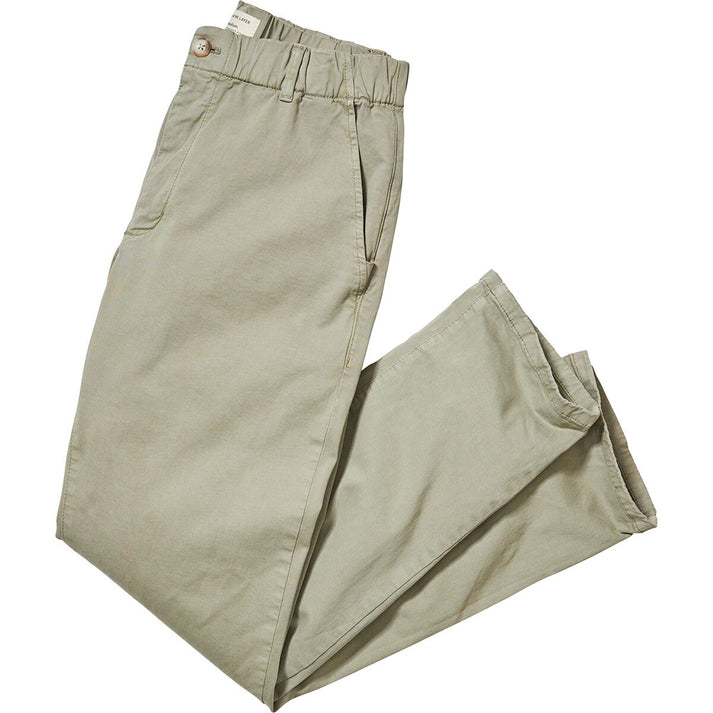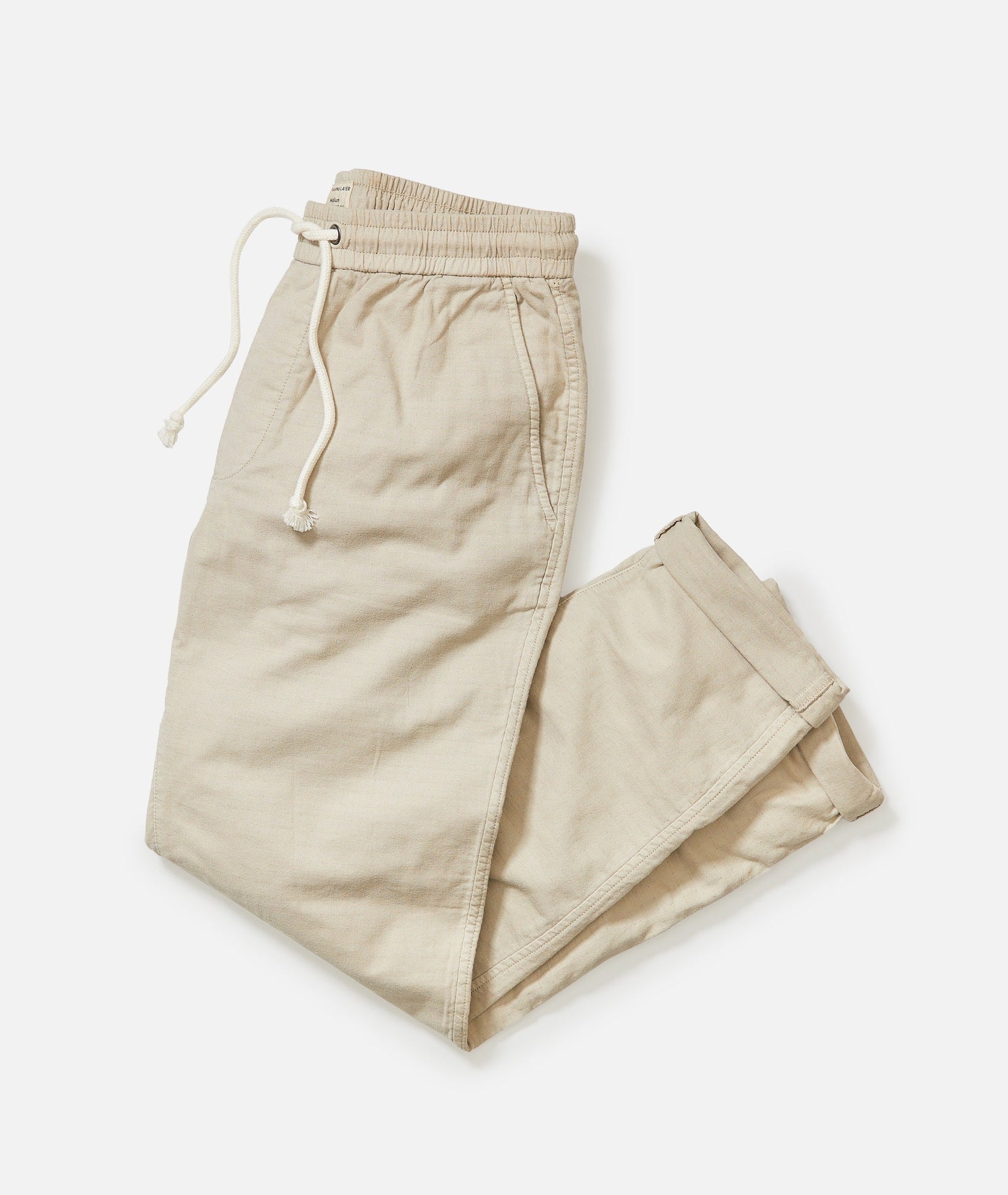
Sustainability claims in fashion are often reduced to a single material or label. A garment’s actual impact depends on fiber production, manufacturing, transport, care, durability, and how frequently it is worn.
Buying a premium product is not automatically responsible. It becomes a better decision when quality, repairability, and genuine wardrobe use extend the life of the item.
THE SHORT VERSION
What to know
- Cost per wear is a useful behavioral measure.
- Material alone does not determine impact.
- The most sustainable purchase is one that is used extensively.
Measure use, not aspiration
A durable jacket worn weekly for years can have a lower cost per wear than several inexpensive replacements. The calculation is imperfect, but it keeps attention on actual behavior.
Before purchasing, identify where the piece fits into your routine. If it requires an imaginary lifestyle or duplicates something you never wear, better materials will not make it useful.
Look beyond the fiber label
Natural and recycled fibers each involve tradeoffs. Construction quality, dyeing, finishing, trims, care requirements, and repair options influence how long a garment remains usable.
Detailed product descriptions are valuable because they let shoppers compare these characteristics instead of relying on a vague sustainability badge.
Reduce avoidable movement
Consolidated orders, accurate sizing, and deliberate purchases can reduce unnecessary deliveries. Direct supplier fulfillment may also avoid an additional warehouse transfer, though every supply chain is different.
A transparent sourcing model should help people select fewer, better-matched products—not encourage purchasing for its own sake.
Editorial information is general guidance. Confirm the selected product, size, supplier, shipping, and final-sale terms before purchase.