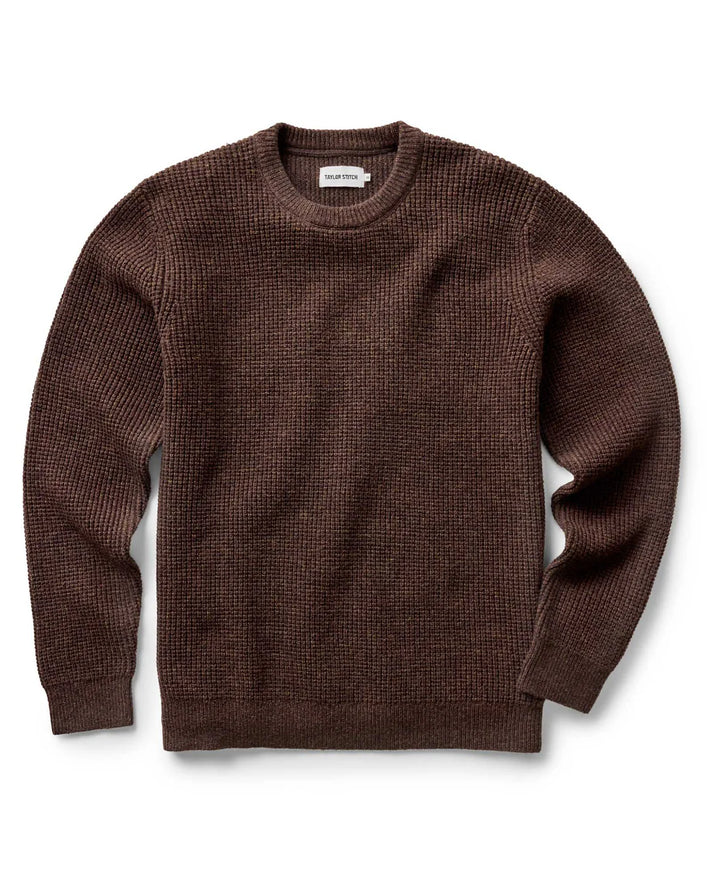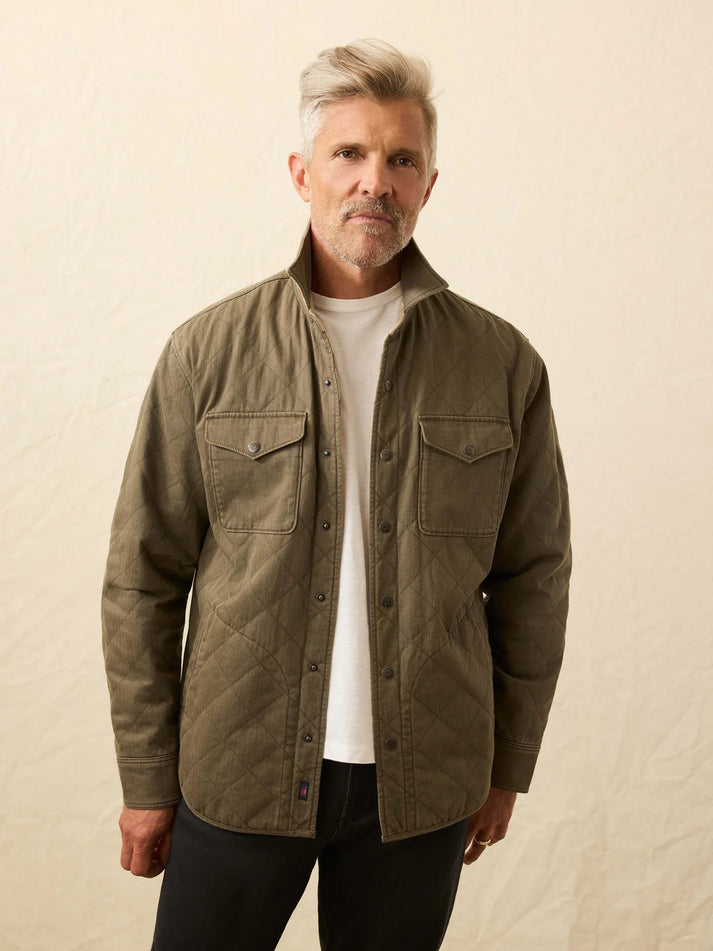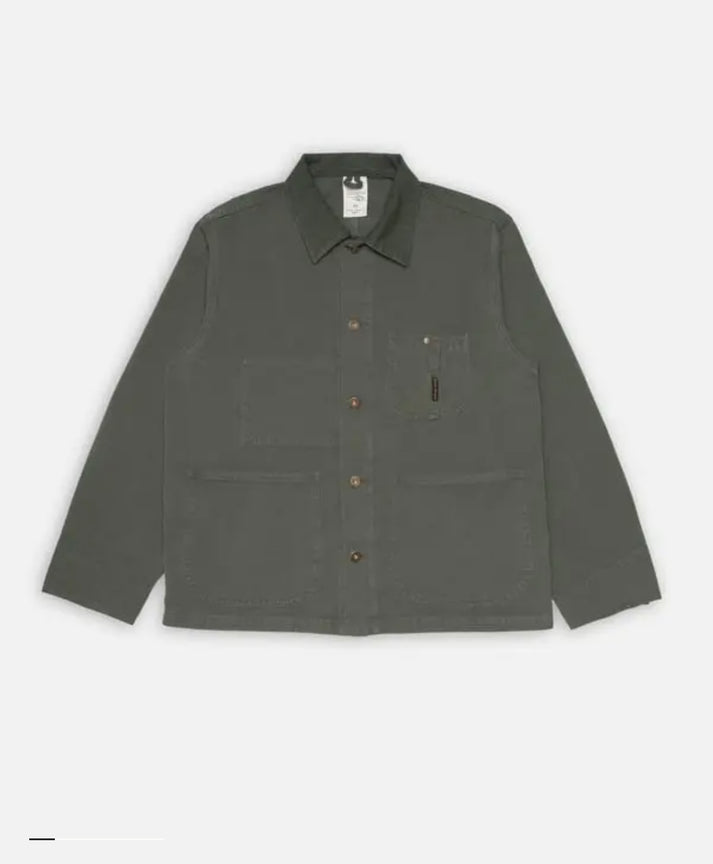
Traditional personal styling begins with a conversation and produces recommendations. Visual product search begins with a garment or image and works backward toward purchasable matches.
Neither method is universally better. The right choice depends on whether you need help defining the problem or locating a solution you can already picture.
THE SHORT VERSION
What to know
- Stylists interpret a broader lifestyle brief.
- Visual search excels when a specific product or look is the goal.
- The strongest process can combine human judgment and structured search.
When a stylist is valuable
A stylist can reconcile dress codes, body proportions, existing wardrobe gaps, and comfort preferences. That broader context is useful during a transition such as a new job or major event.
The tradeoff is interpretation. Recommendations may be thoughtful without matching the exact reference a client had in mind.
When visual search is faster
Image search is effective for a distinctive collar, unusual fabric, celebrity outfit, or discontinued product. It can compare many catalog records without requiring the shopper to know specialized terminology.
Results still need human evaluation. Similarity does not guarantee the same construction, fit, authenticity, or availability.
Use both as decision tools
A visual result can start a styling conversation, while a stylist’s description can become a precise search brief. The processes are complementary rather than mutually exclusive.
The final decision should remain grounded in product details, sizing, total price, and compatibility with the customer’s existing wardrobe.
Editorial information is general guidance. Confirm the selected product, size, supplier, shipping, and final-sale terms before purchase.