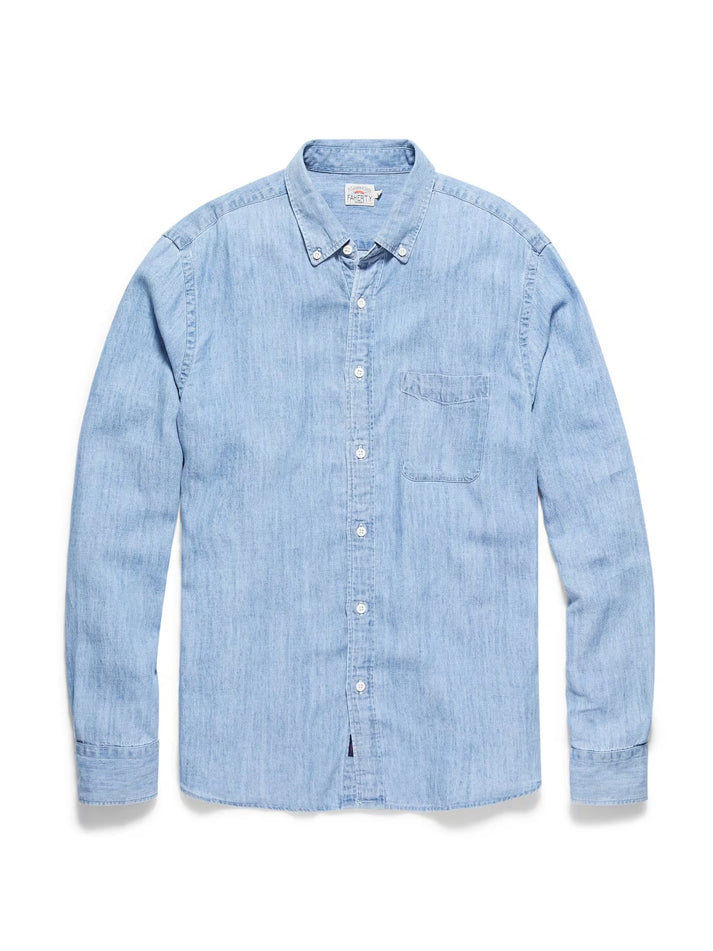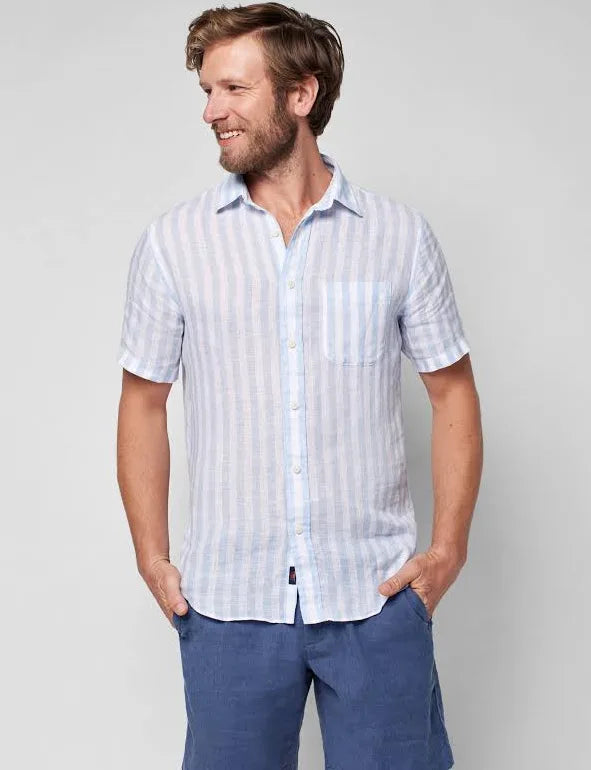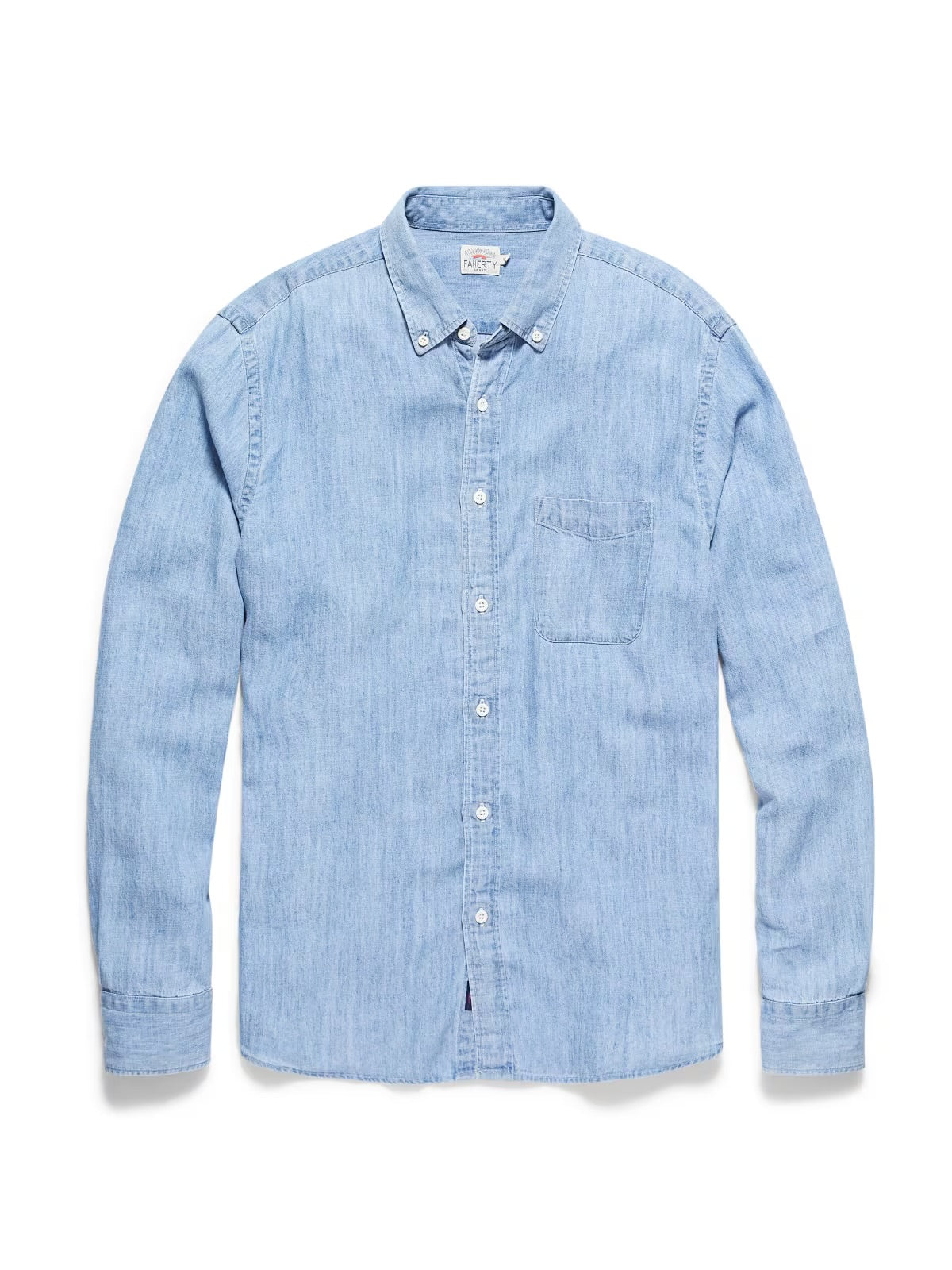
Brand discovery is useful when it expands the ways you can express an established preference. It is less useful when it replaces that preference with a stream of unrelated recommendations.
Start with a product you already value and identify the material, fit, construction, and price characteristics that make it work.
THE SHORT VERSION
What to know
- Search by product characteristics before brand prestige.
- Use one proven garment as a reference.
- Compare several products before judging a label.
Follow product attributes
A search for washed canvas chore jackets or open-weave camp shirts can reveal brands across different price levels and regions. Attribute-led browsing is more transferable than a generic “brands to know” list.
Country of manufacture can be interesting, but it should not replace evidence about the specific factory, material, and construction.
Use retailers as maps
Multi-brand retailers and boutiques often curate labels with shared sensibilities. When one product resonates, inspect the surrounding brands and then verify each through its own catalog.
Resale marketplaces can expose previous seasons and show how products age, though condition and authenticity require careful review.
Introduce one brand at a time
Begin with a category where you understand fit well. A shirt or jacket with clear measurements can teach you more about a label than buying several unfamiliar pieces at once.
Record sizing and fabric observations after wearing it. Those notes become valuable search inputs for the next purchase.
Editorial information is general guidance. Confirm the selected product, size, supplier, shipping, and final-sale terms before purchase.