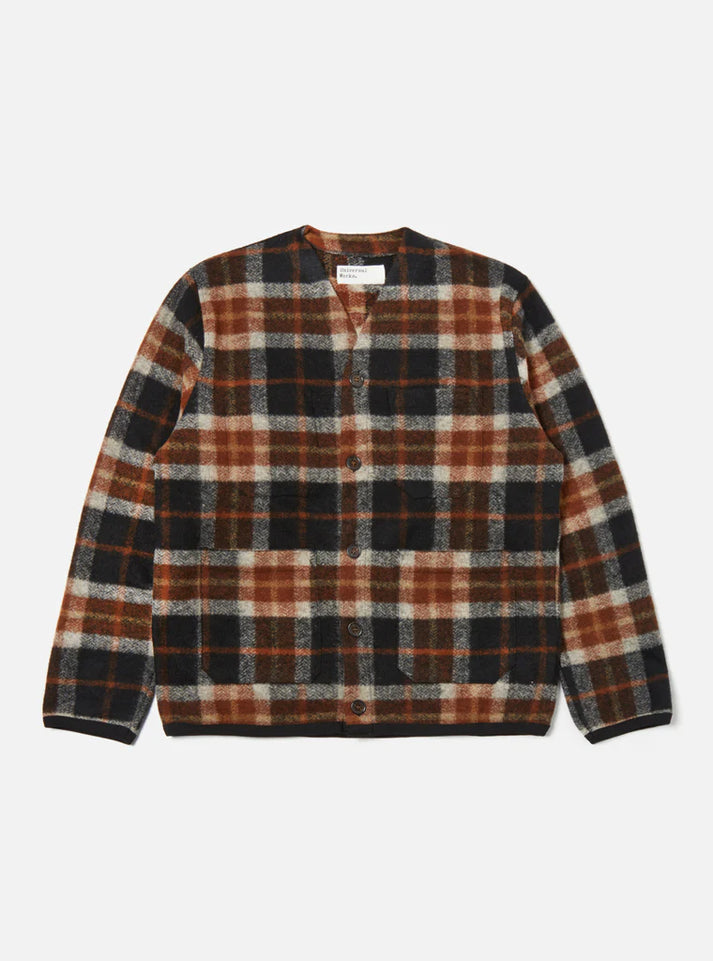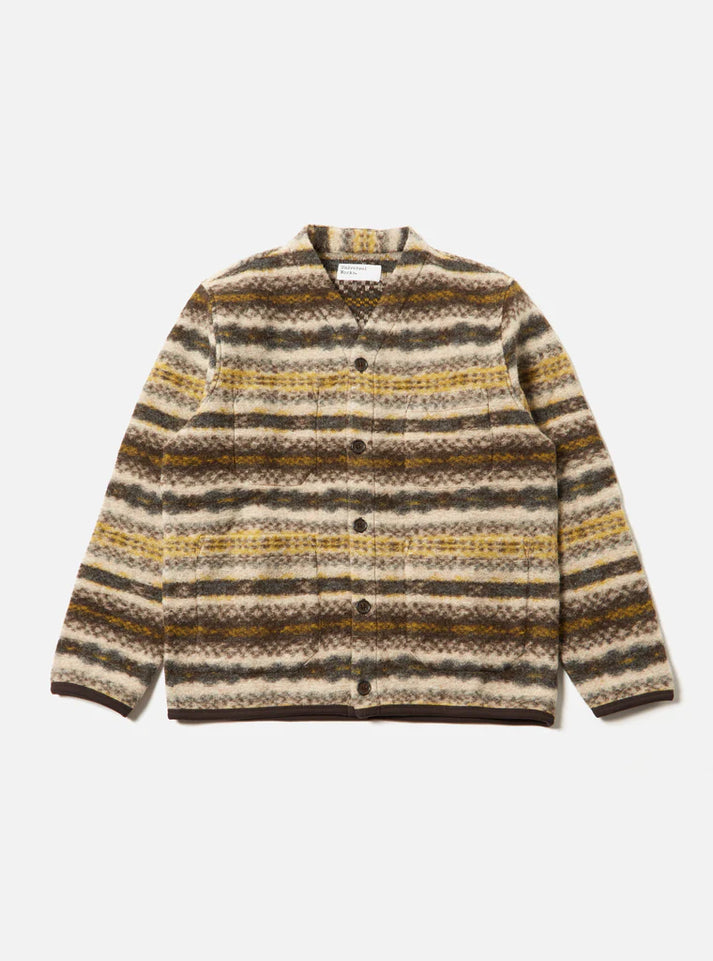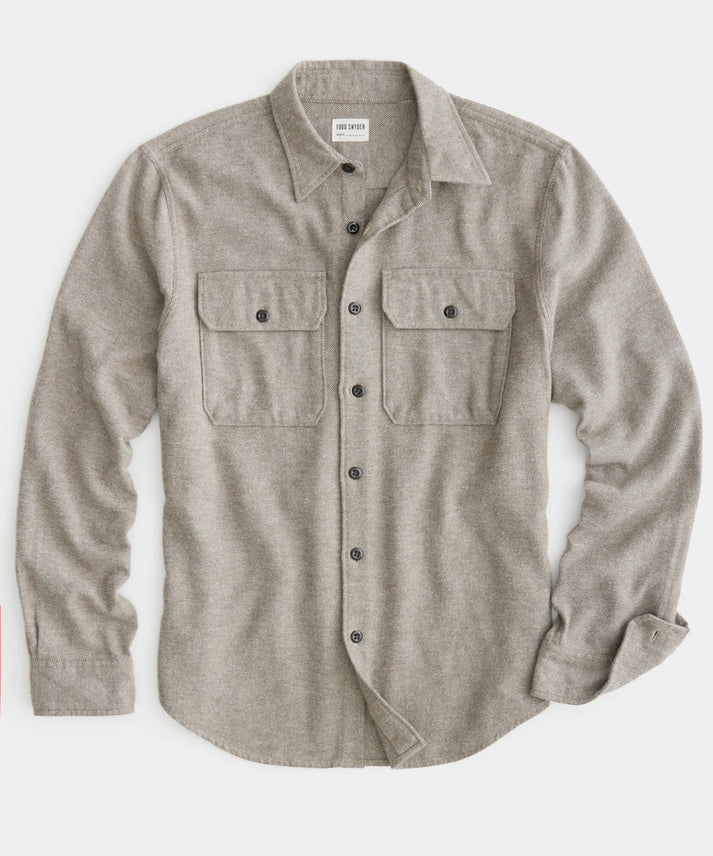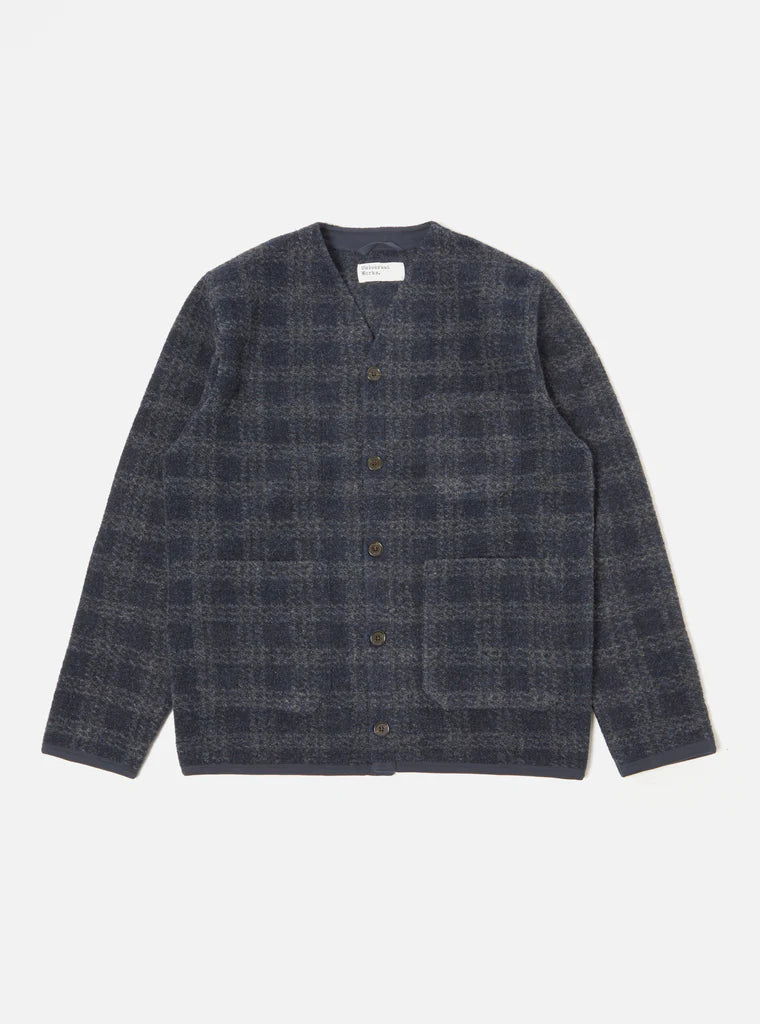
Home try-on programs addressed a real online-shopping problem: the product is visible, but fit remains uncertain. When a particular program changes or disappears, the underlying need remains.
Alternatives range from conventional return windows to detailed measurement comparison and guided selection.
THE SHORT VERSION
What to know
- Policy terms vary by retailer and can change.
- Measurements reduce more uncertainty than generic size labels.
- Final-sale sourcing requires deliberate size confirmation.
Use measurements as the first filter
Compare garment measurements with a product you already own. Chest width, shoulder, sleeve, rise, thigh, and inseam provide more transferable information than a familiar letter size.
Account for the intended silhouette. A larger chest measurement may reflect design ease rather than an incorrectly large size.
Choose the appropriate risk model
Retailers with returns shift some fit risk to the seller. Final-sale marketplaces can offer rarer inventory but require more diligence before purchase.
Our delivered products are final sale, so product images, descriptions, and size information should be reviewed before checkout.
Ask a better question
Instead of asking whether a product will fit, ask how it will fit relative to a known garment. That produces a concrete comparison and makes advice more reliable.
For an unidentified reference image, locate the product first and then confirm measurements with the selected supplier.
Editorial information is general guidance. Confirm the selected product, size, supplier, shipping, and final-sale terms before purchase.